If you are thinking about living in Appleton, you are probably asking a practical question: what does daily life here actually feel like? That is a smart place to start, because choosing a city is about more than square footage or a listing photo. In Appleton, you will find a mix of established neighborhoods, useful parks and trails, and everyday amenities that support both busy weekdays and more relaxed weekends. Let’s dive in.
Appleton at a glance
Appleton had an estimated population of 75,344 as of July 1, 2024. Recent Census data shows that 66.7% of housing units are owner-occupied, the median owner-occupied home value is $211,500, and the median gross rent is $957.
Those numbers help frame Appleton as a city with a strong homeownership base and a housing market that includes both buyers and renters. On the map, College Avenue serves as the north and south divider, while Oneida Street acts as the east and west divider. That layout helps Appleton feel organized into distinct areas rather than one long stretch of similar development.
Appleton neighborhoods offer variety
One of the biggest advantages of living in Appleton is variety. According to the city’s comprehensive plan, Appleton has a diverse mix of housing types and styles, and its neighborhoods are generally stable even as the city works through issues like aging housing stock, affordability pressure, and infrastructure needs.
The city’s neighborhoods program includes 15 registered neighborhoods. For you as a buyer or future resident, that means Appleton is not a one-size-fits-all market. Your day-to-day experience can feel different depending on whether you want a more central location, an older home with character, or a newer subdivision-style setting.
Downtown and riverfront living
Downtown and riverfront areas tend to stand out for their historic feel and more walkable pattern. City planning materials point to infill and rehabilitation projects such as Woolen Mill Lofts, RiverHeath, Union Square, and Eagle Flats, showing how these parts of Appleton continue to evolve.
If you want easier access to events, civic spaces, and a more urban routine, these areas may appeal to you. You may also find a mix of older buildings, renovated spaces, and newer residential options blended into the core of the city.
Older homes in inner neighborhoods
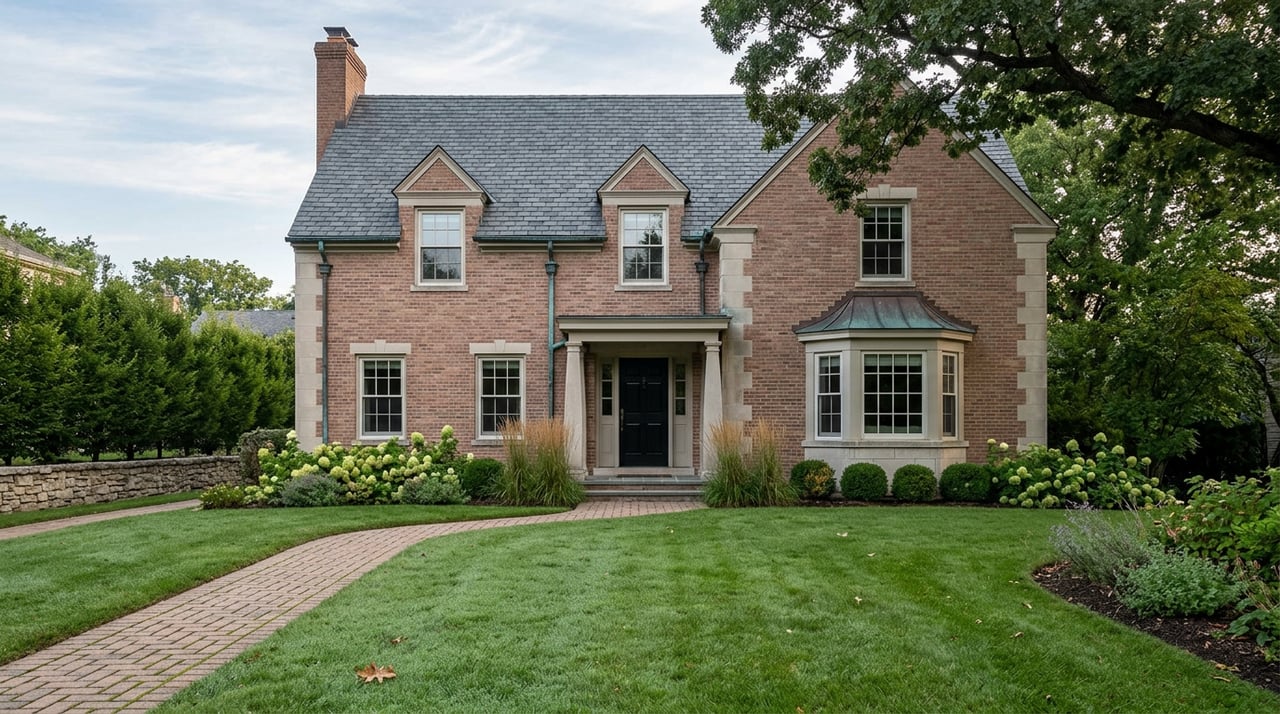
Appleton’s historic inventory helps explain why many inner neighborhoods have so much architectural character. Historic districts and landmark properties are concentrated around the Fox River, College Avenue, West Prospect Avenue, and City Park, with listed sites dating from 1853 into the early 1940s.
That history often shows up in the housing stock. If you are drawn to established streets, mature trees, and older single-family homes, Appleton’s central neighborhoods may offer the style and setting you want.
Newer development on the edges
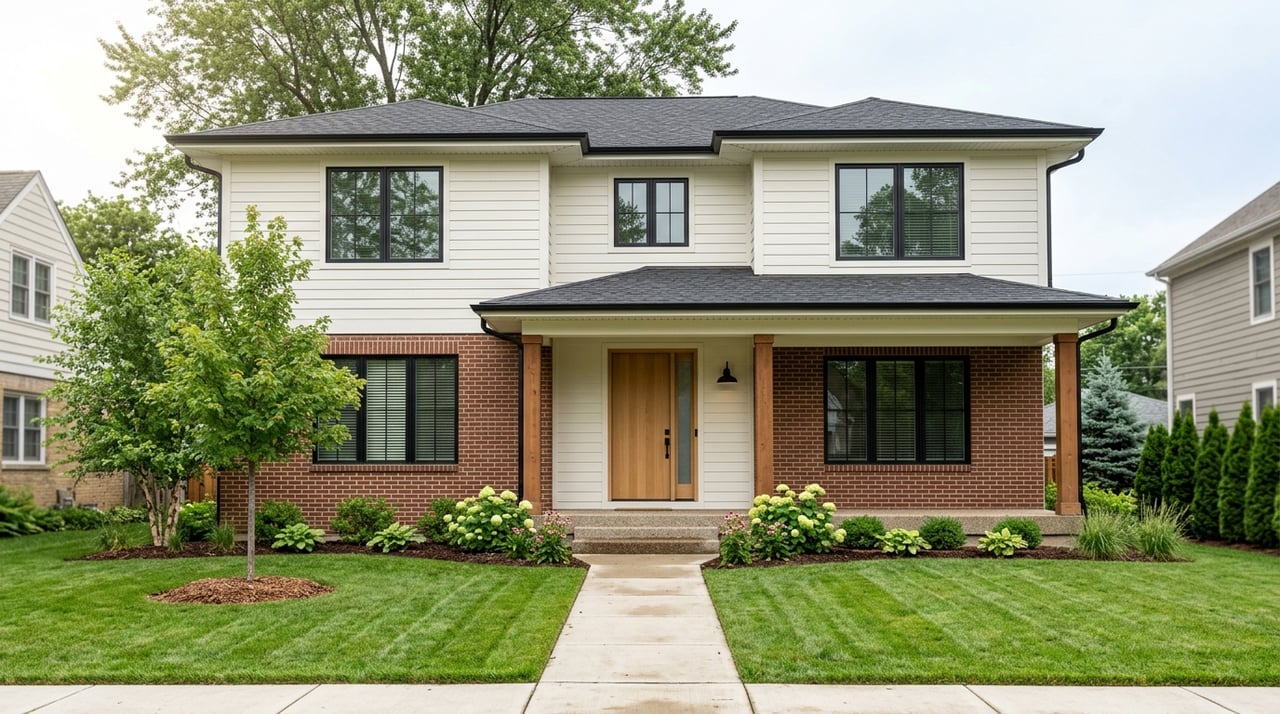
Appleton also gives buyers access to more recent subdivision-style development. The city’s plan points to Glacier Ridge, north of Plamann Park, as one example of this more conventional newer-home pattern.
This mix is helpful if you want options. In practical terms, Appleton can offer older urban housing, established single-family neighborhoods, and newer edge-of-city development without forcing you into just one type of lifestyle.
Parks and trails shape daily life
For many buyers, parks are not just a weekend bonus. They are part of how your week flows, whether that means taking a walk after dinner, finding a place for the kids to burn off energy, or planning a morning run.
Appleton supports that kind of routine well. The city’s GIS resources include a Trail Viewer, the Fox Trot Trail, Active Appleton walking routes, and a ParkPaths map, which shows a city that actively supports walking, running, and route planning.
Neighborhood parks and destination spaces
Appleton’s park map highlights a wide spread of spaces across the city. Examples include Erb Park & Pool, Northland Dog Park, Lutz, Meade Pool, and Bubolz Nature Preserve.
That matters because it means outdoor access is not limited to one major park area. You can find both neighborhood-level green space for regular use and larger destination spaces when you want more room, different scenery, or a longer outing.
What that means for residents
When a city has mapped walking routes, trail tools, and a broad park network, it usually translates into easier everyday habits. You are more likely to have options close to home, and that can make it easier to stay active or build simple routines into your schedule.
If you are comparing Appleton to other places in Northeast Wisconsin, this is one of the details worth paying attention to. Parks and trails often play a bigger role in quality of life than buyers expect at first.
Events keep Appleton active
Appleton is not only about residential streets and errands. It also has a civic calendar that helps create rhythm throughout the year.
One of the city’s defining events is Mile of Music. The festival began in 2013, runs for four days in downtown Appleton, and focuses on original music. The organization says it now features more than 200 emerging artists and more than 700 live sets across over 40 venues, and more than 90,000 people checked out The Mile in 2025.
Recurring local traditions
The Downtown Appleton Farm Market is another major part of local life. Appleton Downtown Inc. says it brings more than 100 local vendors to College Avenue and runs on Saturdays from June through October 2026.
The city also hosts long-running parades that draw large crowds. Appleton describes the Downtown Appleton Christmas Parade as the largest nighttime parade in the Midwest with about 80,000 spectators, and the city identifies its Flag Day Parade as the oldest Flag Day parade in the nation.
Why events matter when choosing a city
Events can tell you a lot about how a city feels to live in. In Appleton, the regular lineup suggests a community where downtown is not just a business district. It is also a gathering place for markets, music, and seasonal traditions.
If you enjoy having things to do without needing a major trip or a long drive, that is a meaningful plus. It adds energy without changing the practical, everyday feel that many buyers want.
Everyday convenience in Appleton
A city can look great on paper and still be frustrating if daily tasks feel inconvenient. Appleton checks many of the boxes buyers usually ask about, including library access, public transit, healthcare, airport access, and regional shopping.
These are the details that shape your routine once the move is over. They may not be as exciting as a kitchen renovation, but they matter just as much over time.
Library and public services
The renovated Appleton Public Library reopened on February 15, 2025. Located at 200 N. Appleton Street downtown, it offers meeting rooms, creation studios, computers and printing, notary service, and other public library functions.
For residents, that adds another useful anchor downtown. It is a practical resource whether you need workspace, printing, community programming, or basic public services.
Transit and getting around
Valley Transit adds another layer of convenience. Its downtown transit center is located at 100 E. Washington Street, and route maps show service across Appleton and nearby Fox Cities communities.
Even if you drive most of the time, public transit access can still be a plus. It gives you another option for commuting, appointments, or navigating the broader area.
Healthcare access
For healthcare, Appleton includes multiple service points. Ascension St. Elizabeth offers specialty and 24/7 emergency care in Appleton, while ThedaCare’s Encircle Health campus on East Capitol Drive provides outpatient and specialty services.
That kind of access can be an important part of your move decision. It is especially relevant if you are planning for long-term convenience or want key services available within the city.
Airport and regional shopping
For travel, Appleton International Airport says it is the third largest airport in Wisconsin and serves Northeast Wisconsin with five airlines and nonstop service to 23 destinations. For shopping and dining, Fox River Mall on West Wisconsin Avenue remains a major regional retail destination with full-service restaurants and a food court.
Together, those features reinforce Appleton’s role as a practical regional hub. You get a city with neighborhood-level character, but you also have access to the services and destinations many people want nearby.
What living in Appleton feels like
Appleton tends to offer a balanced lifestyle. You have established neighborhoods, housing variety, parks spread throughout the city, a downtown that stays active, and practical amenities that support day-to-day life.
That does not mean every part of Appleton feels the same, and that is actually one of its strengths. Depending on where you look, you may find a more historic setting, a more central location, or a newer residential area that better fits your routine and goals.
If you are trying to decide where to focus your home search, the most helpful next step is to match your budget and lifestyle with the part of Appleton that fits you best. If you want clear guidance on neighborhoods, timing, or available homes in the Appleton area, Tou Yang is here to help with a responsive, step-by-step approach.
FAQs
What is the housing market like in Appleton, Wisconsin?
- Appleton has a mix of housing types and styles, with recent Census data showing 66.7% owner-occupied housing, a median owner-occupied home value of $211,500, and a median gross rent of $957.
What types of neighborhoods can you find in Appleton?
- Appleton includes downtown and riverfront areas with a more walkable, historic feel, inner neighborhoods with older single-family homes, and edge-of-city areas with newer subdivision-style development.
What parks and outdoor spaces are available in Appleton?
- Appleton offers a broad park network that includes places such as Erb Park & Pool, Northland Dog Park, Lutz, Meade Pool, and Bubolz Nature Preserve, along with mapped walking routes and trail tools.
What annual events are part of life in Appleton?
- Appleton’s recurring events include Mile of Music, the Downtown Appleton Farm Market, the Downtown Appleton Christmas Parade, and the Flag Day Parade.
What everyday amenities make living in Appleton convenient?
- Residents have access to the Appleton Public Library, Valley Transit service, healthcare providers including Ascension St. Elizabeth and ThedaCare’s Encircle Health campus, Appleton International Airport, and Fox River Mall.