If you are torn between the charm of an older house and the ease of a more updated one, you are not alone. In Fond du Lac, that choice is especially relevant because the local housing stock spans multiple eras, from classic early 20th-century homes to practical postwar and late-20th-century properties. This guide will help you compare historic vs. newer homes in Fond du Lac so you can make a confident decision that fits your budget, lifestyle, and long-term plans. Let’s dive in.
Fond du Lac Gives You Real Choice
Fond du Lac is not a one-style housing market. The city’s recent QuickFacts profile shows a 58.2% owner-occupied housing rate and a median owner-occupied home value of $173,700, which means many buyers here are weighing value, upkeep, and daily livability at the same time.
Another key local factor is supply. Fond du Lac’s 2024 housing study notes that new home construction dropped after the Great Recession and did not fully recover, so “newer” often does not mean brand-new construction. In many cases, it means postwar or late-20th-century homes instead.
What Historic Homes Often Offer
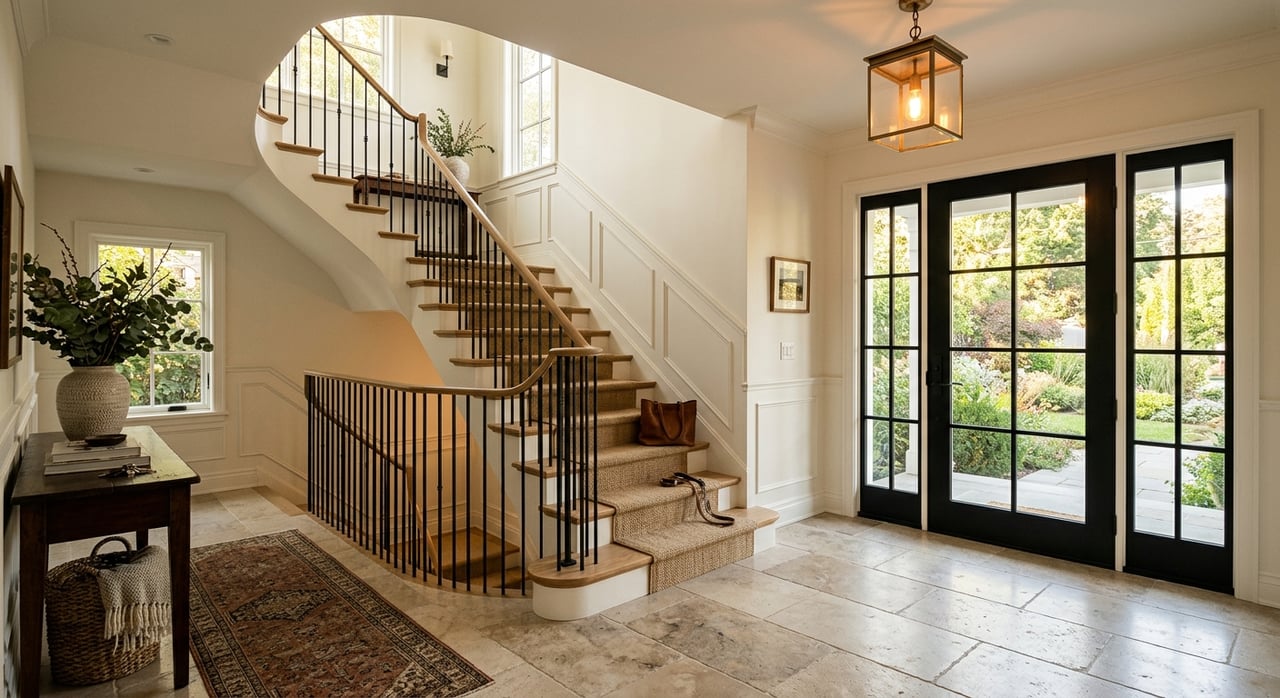
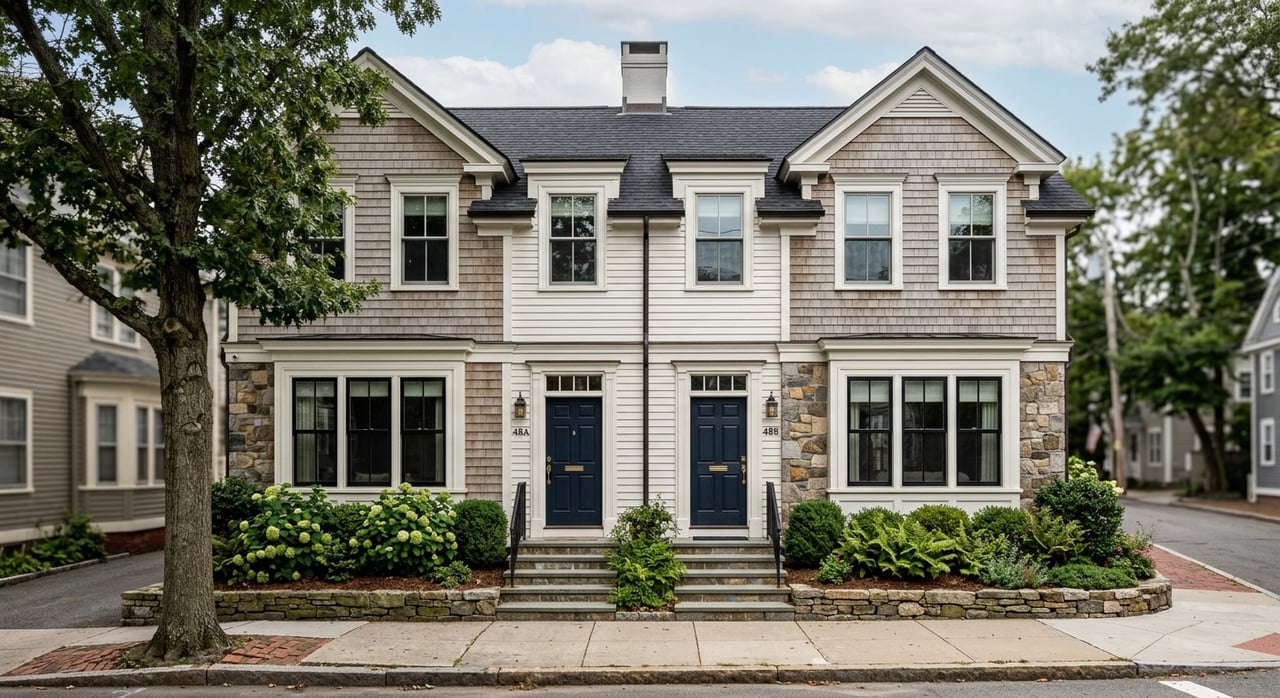
Historic homes in Fond du Lac usually stand out for their visual detail and variety. The city’s historic survey includes Greek Revival, Italianate, Queen Anne, Gothic Revival, and American Foursquare homes, so older homes here do not all look the same.
One especially notable local style is the American Foursquare, sometimes called the Fond du Lac Square. The city survey identifies more than 450 examples of this type, which are typically two-story homes with a square layout, balanced front design, a low hipped roof, and a large front porch.
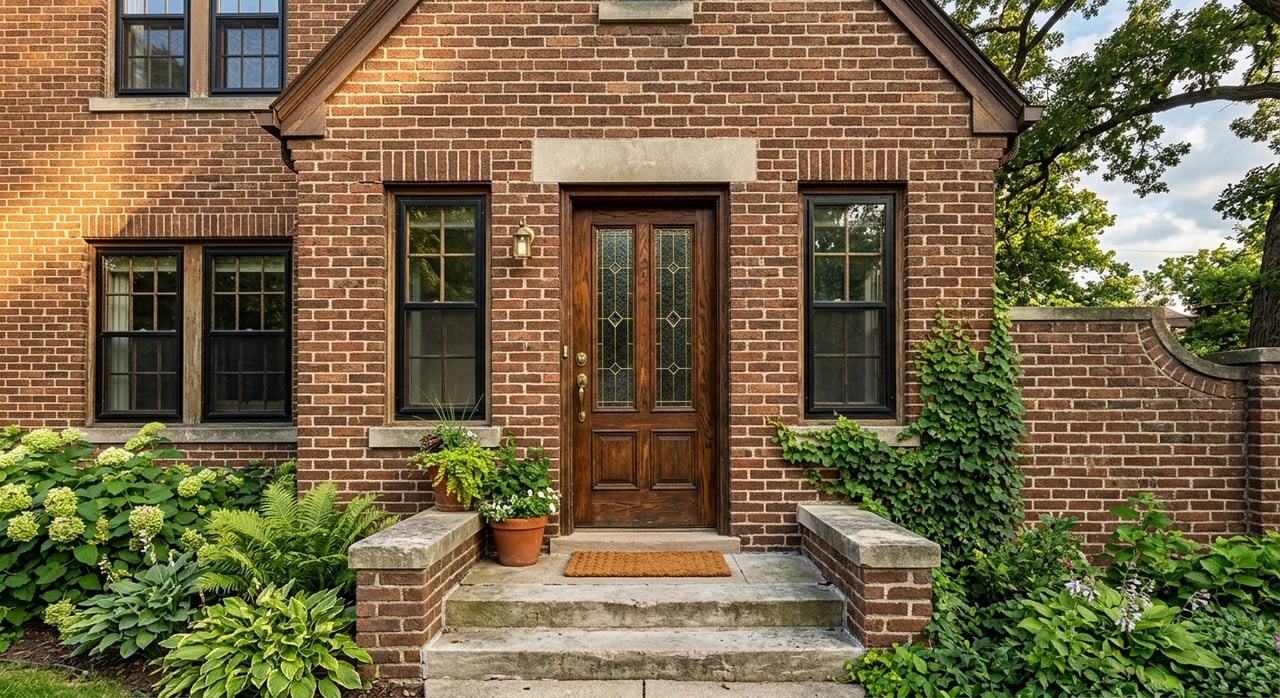
For many buyers, that translates into features that feel hard to replicate in newer homes. You may find stronger curb appeal, more detailed trim, larger porches, and a sense of connection to Fond du Lac’s earlier growth patterns and established streets.
Historic character can feel more personal
Older homes often appeal to buyers who want a house with identity. In Fond du Lac, early-20th-century residential areas like the Fond du Lac Home Building Company Historic District and the Champion Avenue Residential Historic District reflect housing from key growth periods in the city’s history.
That does not automatically make one home better than another. It simply means historic homes often offer a living experience shaped by design choices, materials, and floor plans from another era.
What Newer Homes Often Offer
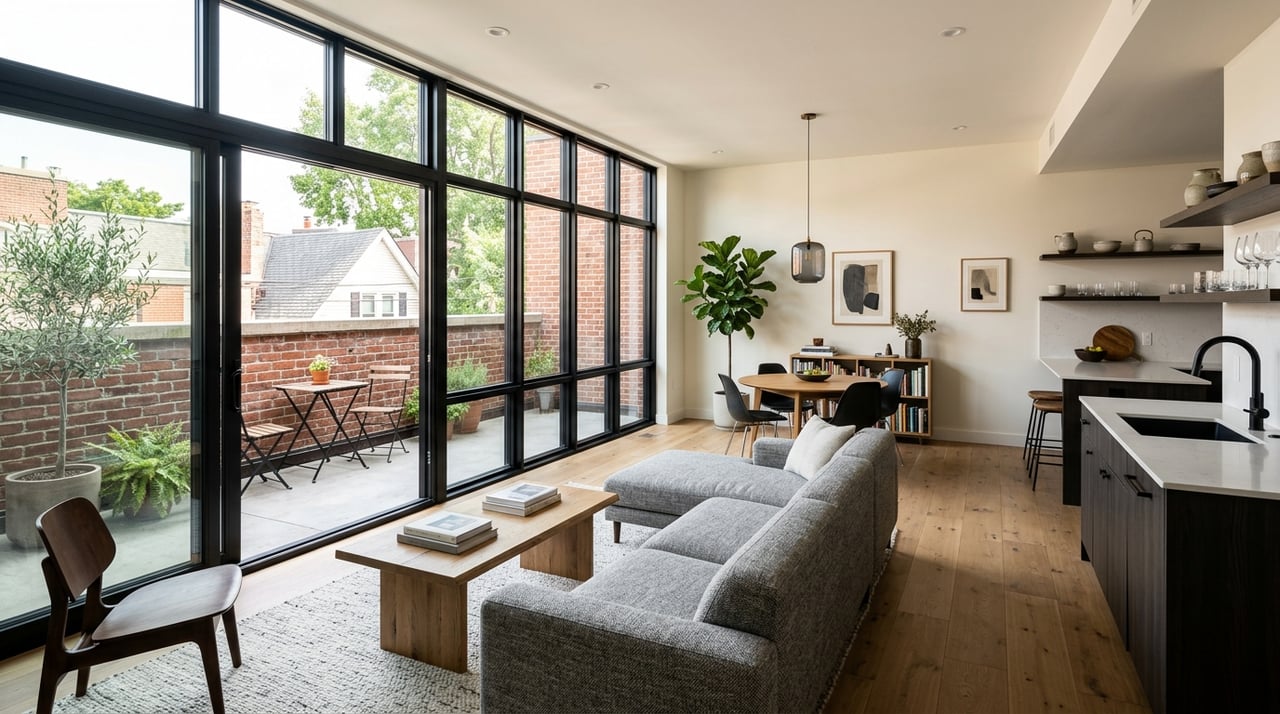
In Fond du Lac, newer homes usually mean simpler, more practical housing from the postwar period or later 20th century. The local survey includes examples like a 1949 Lustron all-steel home, a 1966 ranch house, and an 1985 house, which shows how broad the “newer” category can be in this market.
For buyers, the appeal is often less about romance and more about convenience. A newer-era home may come with a simpler layout, fewer decorative exterior elements, and fewer immediate renovation decisions compared with an older home that has had decades of repairs, updates, or partial remodels.
Newer can mean easier day-to-day ownership
That practical side matters. If you want a home that feels more move-in ready and easier to maintain from the start, a newer-era property may be a better fit for your schedule and your budget.
This is especially true if you do not want to take on multiple projects soon after closing. While every home is different, newer homes often attract buyers who want to spend less time coordinating repairs and more time settling in.
The Biggest Tradeoff: Character vs Convenience
For most buyers in Fond du Lac, the real question is not whether historic or newer homes are better. It is which tradeoff feels more manageable for you.
Historic homes often lean toward character, craftsmanship, and stronger visual identity. Newer-era homes often lean toward simpler upkeep and a more predictable ownership experience.
Here is a simple way to think about it:
| If you value... | You may prefer... |
|---|---|
| Original details and architecture | Historic homes |
| Simpler maintenance expectations | Newer-era homes |
| A home with a distinct look | Historic homes |
| Fewer immediate update decisions | Newer-era homes |
| Connection to older streets and housing patterns | Historic homes |
| Straightforward day-to-day function | Newer-era homes |
Maintenance Matters More Than Style
No matter which direction you lean, maintenance should be part of your decision early. In Fond du Lac, the city’s housing rehabilitation program points to common improvement areas that often come up in older homes, including lead paint hazards, electrical, plumbing, heating, roofing, foundation work, windows, exterior doors, insulation, interior wall and ceiling lead hazards, and exterior surface repairs.
That is a useful local reality check. If you are shopping historic homes, it is smart to budget not just for cosmetic updates, but also for system and structure-related improvements.
Wisconsin weather raises the stakes
Fond du Lac buyers also need to think about Wisconsin winters. State guidance notes that winter can bring heavy snow, ice storms, and bitter cold, which helps explain why roofs, insulation, windows, and foundations matter so much when you evaluate an older property.
A beautiful home can still be the right choice, but you want to know how it performs in real conditions. That is why questions about age, maintenance history, and prior updates matter just as much as the home’s style.
Permits and Planning Can Affect Your Timeline
In Fond du Lac, many common home projects require permits. The city lists permits for projects such as additions, siding, roofing, garages, decks, windows, fences, sheds, plumbing work, electrical work, furnace replacements, and water heater replacements.
That matters when you compare historic and newer homes. If you buy an older property and plan to make improvements, your timeline may involve more planning, more contractor coordination, and more steps before work begins.
Historic district rules are important to check
Fond du Lac has local historic districts including East Division–Sheboygan Street, Linden Street, and North Main Street. The Historic Preservation Commission reviews work affecting designated properties, so if a home is in a historic district, some exterior changes may be subject to local review.
This is not necessarily a dealbreaker. It just means you should understand the property’s status before you buy so your renovation plans match local requirements.
Older Homes and Lead Safety
If you are considering a home built before 1978, lead-based paint should be part of your evaluation. EPA guidance states that homes built before 1978 are more likely to contain lead-based paint, and renovation or repair work in those homes can create dangerous lead dust.
In practical terms, that means you should ask careful questions before making an offer. Pay close attention to painted surfaces, older windows, and whether previous renovations were completed with proper lead-safe practices in mind.
Can Historic Homes Offer Financial Help?
In some cases, yes. The Wisconsin Historical Society says owners of historic residences in Wisconsin may be eligible for income tax credits that can help pay for rehabilitation, and the City of Fond du Lac points residents to that program from its historic preservation page.
That does not mean every older home qualifies. Still, if you are drawn to a designated historic property, it may be worth exploring whether that program could help offset part of the rehabilitation cost.
How to Decide Which Home Fits You
The best home for you depends on how you balance budget, time, and tolerance for projects. A historic home may be a great fit if you love original character and are comfortable planning for repairs or updates over time.
A newer-era home may be the better choice if you want fewer surprises, simpler upkeep, and a more straightforward move-in experience. In Fond du Lac, both paths can make sense, but the right answer usually becomes clearer when you look beyond style and focus on ownership costs, improvement needs, and your day-to-day life.
If you want help comparing specific homes in Fond du Lac, Tou Yang can walk you through the tradeoffs, flag red flags early, and help you move forward with a clear plan. Schedule a free consultation.
FAQs
What counts as a newer home in Fond du Lac?
- In Fond du Lac, a newer home often means a postwar or late-20th-century property rather than brand-new construction, because local new construction has lagged for years.
What styles are common in Fond du Lac historic homes?
- The city’s historic survey includes Greek Revival, Italianate, Queen Anne, Gothic Revival, and American Foursquare homes, including many Fond du Lac Squares.
What maintenance issues should buyers watch in older Fond du Lac homes?
- Local rehab priorities suggest you should pay close attention to roofing, electrical, plumbing, heating, windows, insulation, foundations, exterior surfaces, and possible lead-related concerns.
Do historic district homes in Fond du Lac have extra rules?
- Yes. If a home is in a local historic district, certain exterior work may be reviewed by the Historic Preservation Commission.
Are historic homes in Fond du Lac more expensive to update?
- They can be, especially if the home needs system updates or exterior repairs, although some historic residences may be eligible for Wisconsin income tax credits for rehabilitation.
Is a newer home always the better choice for first-time buyers in Fond du Lac?
- Not always. A newer-era home may offer easier upkeep, but a historic home can still be a strong fit if you understand the condition, budget for updates, and feel comfortable with the extra planning involved.