Thinking about trading long commutes for more time outdoors and an easy pace of life? If Wausau is on your list, you’re in the right place. Relocating is a big decision, and you want clear facts on jobs, housing, weather, and how to tour homes when you live hours away. This guide gives you a practical plan to evaluate Wausau, set a budget, and line up showings, so you can move with confidence. Let’s dive in.
Why Wausau works for everyday life
Snapshot and pace
Wausau is the county seat of Marathon County and serves as a small urban hub for central Wisconsin. The city counted 39,994 residents in the 2020 Census, and the county’s 2023 estimate was about 139,197, reflecting a stable regional center. You get a short average commute of about 15 to 16 minutes, which adds up to more time at home and less time in traffic. See regional context in the Marathon County workforce profile and the U.S. Census QuickFacts for Wausau.
Four-season climate at a glance
Wausau has a humid continental climate with warm summers and cold, snowy winters. Average annual snowfall is commonly cited around 60 to 65 inches, so plan for heating, snow removal, and winter travel. For a quick overview of local climate and culture, see this Wausau overview. If you are timing a move, build in weather buffers during late fall through early spring.
Culture, downtown, and the river
Downtown Wausau, often called the River District, is the cultural core with restaurants, events, and year-round festivals. The Leigh Yawkey Woodson Art Museum and the Grand Theater anchor the arts scene. You also have quick access to the Wisconsin River and Lake Wausau for paddling, fishing, and scenic walks.
Jobs, health care, and education
Who hires in the region
Marathon County has a larger-than-average manufacturing base, which shapes demand for skilled trades and mid-wage roles. Recent county reporting shows manufacturing at about 26.6 percent of county employment. Notable employers include Aspirus Wausau Hospital, Greenheck Fan, Kolbe & Kolbe Millwork, Regal Rexnord, Marshfield Clinic, Northcentral Technical College, Marathon Cheese, and Apogee Enterprises. For planning context and employer references, review the Marathon County comprehensive plan along with the county workforce profile.
Health care access
Aspirus is a major regional health system with multiple hospitals and clinics, and it reports nearly 14,000 team members systemwide. That scale supports local specialty care and steady health-sector employment. Learn more on the Aspirus health system page.
Higher education and training
The city hosts the University of Wisconsin–Stevens Point at Wausau and Northcentral Technical College. These institutions offer transfer pathways, continuing education, and workforce training that can be helpful if you plan a career change or want enrichment classes. Explore the UW–Stevens Point at Wausau community resources.
Getting around and getting here
Local transit
MetroRide operates weekday city bus routes and paratransit. This is useful if you want a car-light lifestyle or need a backup for winter driving days. Check routes and service hours at MetroRide transit.
Regional air travel
Central Wisconsin Airport (CWA) in nearby Mosinee serves Wausau and Stevens Point. American and Delta currently offer service, and United has announced a planned return with schedule additions. For current carriers and routes, view Central Wisconsin Airport.
Housing options and price bands
What you will find
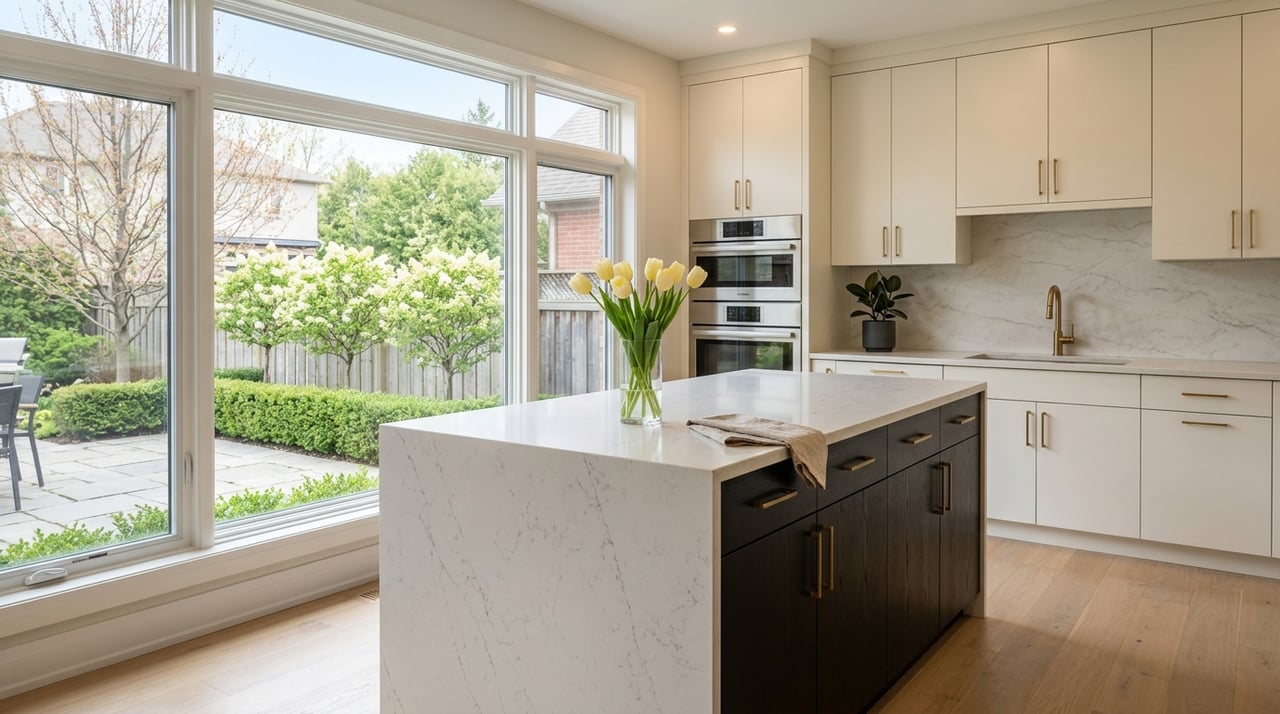
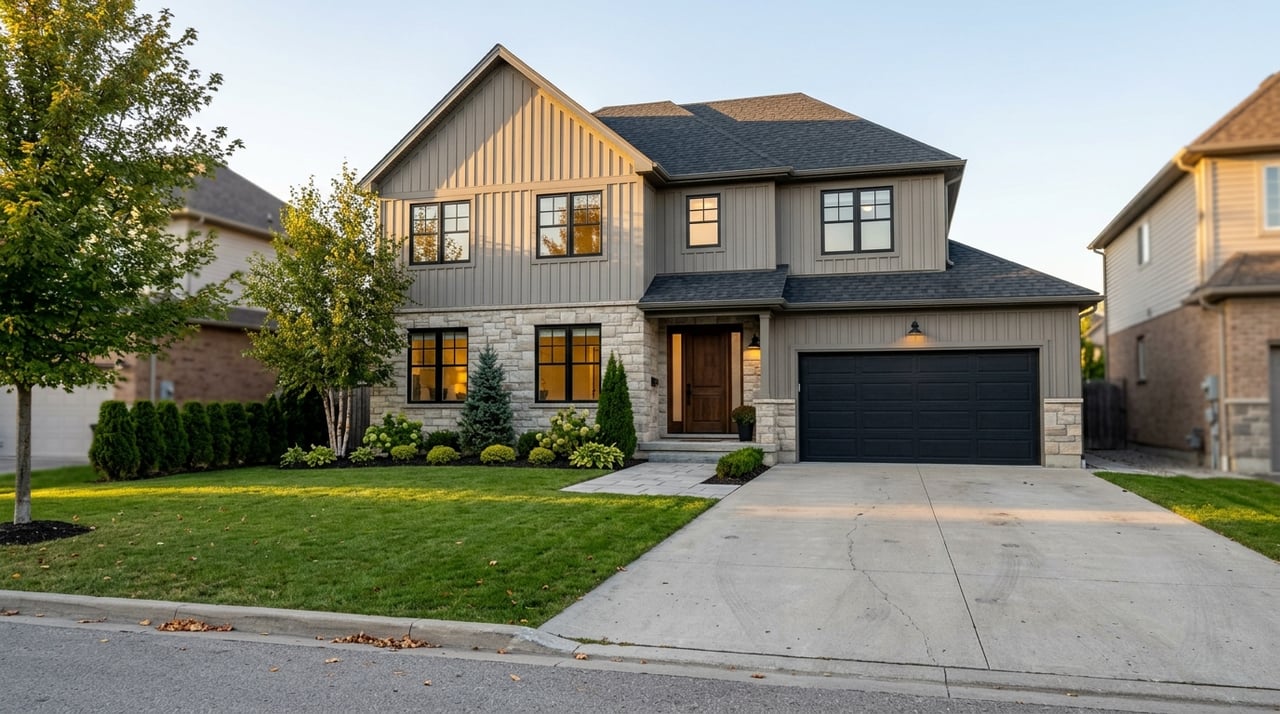
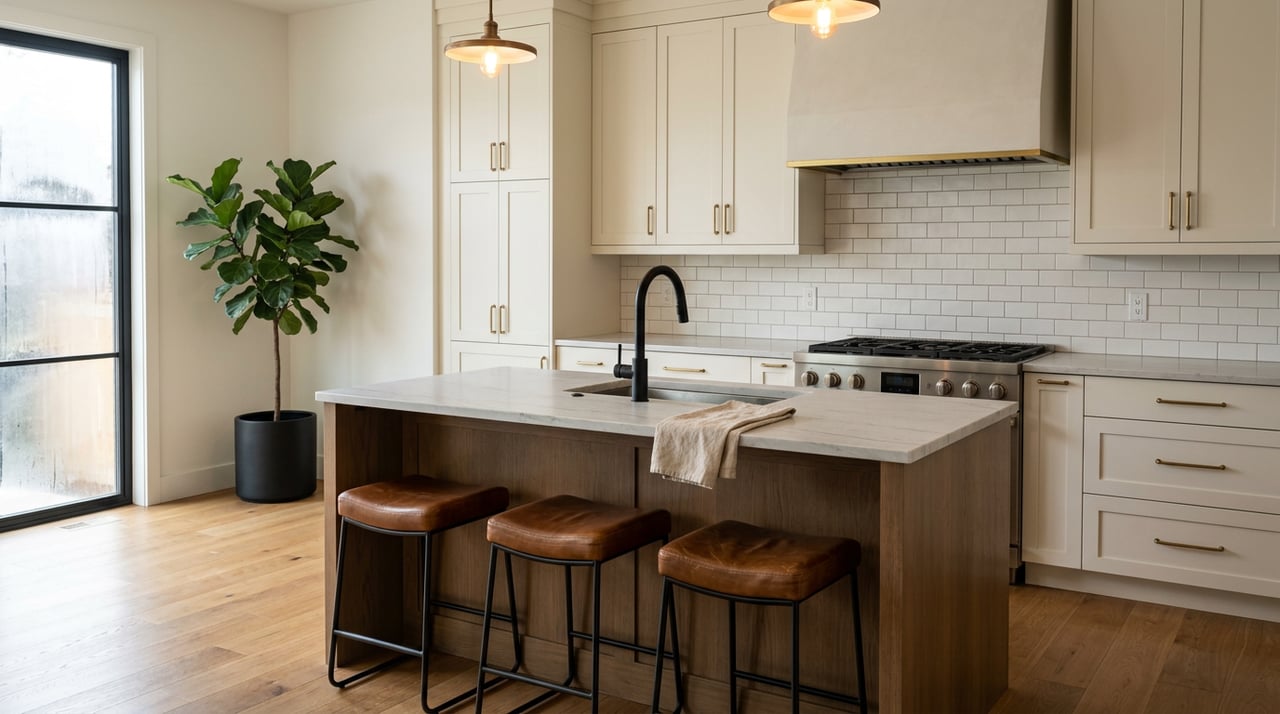
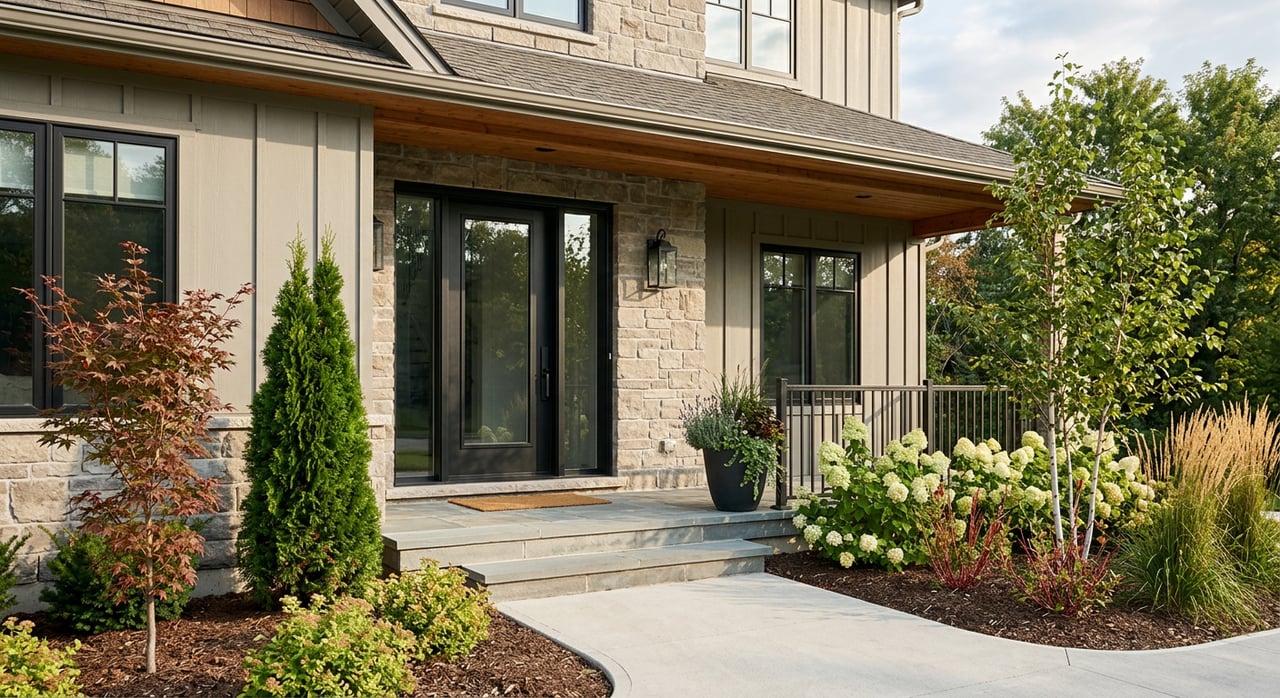
Housing in and around Wausau includes early 20th-century bungalows and Craftsman homes, mid-century ranches and split-levels, and post-1970 subdivisions. You will also find pockets of newer construction and occasional riverfront or lake-adjacent homes. This mix reflects Wausau’s history as a manufacturing and river town that expanded over time.
Pricing snapshots and practical bands
Recent market summaries from major portals show Wausau city medians in the low to mid 200,000s, with some pages citing the 240,000 to 250,000 range in late 2025. Exact values vary by data vendor and change month to month. Use these practical bands to frame your search, then verify with current MLS data:
- Entry level: sub 200,000 to about 250,000, often smaller single-family homes, some condos or townhomes, and value-add options depending on condition.
- Mid-range: roughly 250,000 to 400,000 for larger lots, updated interiors, and popular subdivisions.
- Upper tier: 400,000 and up for new construction, riverfront, large-lot, or extensively remodeled homes. Inventory is smaller at this level compared with larger metros.
Tip: Have your agent pull recent sold comparables for your top neighborhoods before you fly in for tours. That way you can focus on condition and fit, not guesswork on price.
Neighborhood orientation
River District living
If you want a walkable city feel near dining, arts, and the riverfront, explore homes and condos in and around the downtown River District. You can attend events at the Grand Theater, visit the Woodson Art Museum, and enjoy seasonal festivals. Expect older housing stock with character plus some infill and renovated options.
Rib Mountain and Kronenwetter
If you prefer space and quick access to trails, check out Rib Mountain and Kronenwetter. Rib Mountain State Park offers hiking, an observation tower, and access to Granite Peak, one of Wisconsin’s largest ski areas. Get a feel for the area through this Rib Mountain and Granite Peak overview. Homes here often include mid-century ranches, split-levels, and newer subdivisions with larger yards.
Other nearby communities
Rothschild, Schofield, Mosinee, Rib Mountain, Kronenwetter, and Weston each have their own mix of housing, municipal services, and tax structures. Commutes into Wausau are short from most of these communities. Compare property types, lot sizes, and your daily routes as you narrow options.
Research and tour from afar
How to research neighborhoods remotely
Use this quick process to evaluate areas before you visit:
- Start with official sources. Review city zoning layers and the county parcel viewer, then scan the county’s planning and workforce pages for growth context. The Marathon County workforce profile is a helpful snapshot.
- Check commute and services. Map drives to work and key errands. Review MetroRide transit if you want bus access or paratransit.
- Validate lifestyle anchors. If higher education or enrichment matters, browse UW–Stevens Point at Wausau. For specialty care access, review the Aspirus health system.
- Use multiple market views. Ask your agent for MLS reports, and cross-check with major portals for broad trend signals. Vendor methodologies differ, so rely on MLS for final pricing decisions.
Plan efficient home tours
When you are ready to see homes in person, keep it focused and fast:
- Get pre-approved, not just pre-qualified, so you can write a strong offer quickly.
- Request high-resolution photos, floor plans, and live video walk-throughs before you travel.
- Shortlist 8 to 12 properties and arrange them geographically for one or two efficient tour days.
- Have your agent confirm measurements, key system ages, and known disclosures in advance.
- Line up a local inspector before you visit. Good pros book fast.
Timeline and moving tips
Typical purchase timeline
Every transaction is different, but this general timing will help you plan:
- Pre-approval and search: 1 to 6 weeks based on your readiness.
- Offer to acceptance: 1 to 7 days, depending on negotiation.
- Inspection period: allow 7 to 10 days for the inspection and responses.
- Appraisal and underwriting: 2 to 4 weeks, depending on lender capacity and loan type.
- Closing: many closings occur around 30 to 45 days after offer acceptance.
Weather-smart moving
Winter in Wausau brings snow and shorter daylight, so add extra buffer if you move between late fall and early spring. For planning, you can reference National Weather Service climate normals to time your travel and delivery days. If possible, target late spring through early fall for an easier move.
Logistics to handle early
Before you arrive, schedule these tasks:
- Book movers and confirm parking or elevator needs with your building, if applicable.
- Set up utilities, internet, and waste services for move-in day.
- Submit a mail forward, update your driver’s license and voter registration, and prepare school enrollment packets if needed.
- Budget for a furnace service check and a roof, gutter, and sump-pump review, especially if you close before winter.
Final thoughts
Wausau offers a manageable pace, year-round outdoor options, short commutes, and a housing market with accessible price bands. If you want a clear, step-by-step plan to compare neighborhoods, refine your budget, and schedule efficient tours, I’m here to help. Reach out to Tou Yang to talk through your timeline and next steps.
FAQs
What should I know about Wausau winters before moving?
- Expect cold temps and about 60 to 65 inches of annual snowfall. Plan for snow removal, winter tires, and flexible move dates during storms.
How long are typical commutes in Wausau?
- Average travel time to work is about 15 to 16 minutes for city residents, which makes it easier to live a bit farther out without a long drive.
Which industries drive the Wausau economy?
- Manufacturing has an above-average share of local employment, with health care, education, and trade or transportation also important across Marathon County.
What are realistic home price ranges in Wausau?
- Entry-level homes often fit under 250,000, mid-range is roughly 250,000 to 400,000, and upper tier starts around 400,000, with premiums for riverfront and new construction.
Can I tour Wausau homes if I live out of state?
- Yes. Start with virtual tours and live video walk-throughs, then plan one or two focused in-person days with a pre-approval and an inspector ready to go.
How do I fly in to see homes near Wausau?
- Use Central Wisconsin Airport in Mosinee for quick access, with American and Delta service and a planned United return. It is an easy drive to Wausau.